How Many Cruise Ships Have Sunk Since 1912? Full List of 26 Cruise Ships
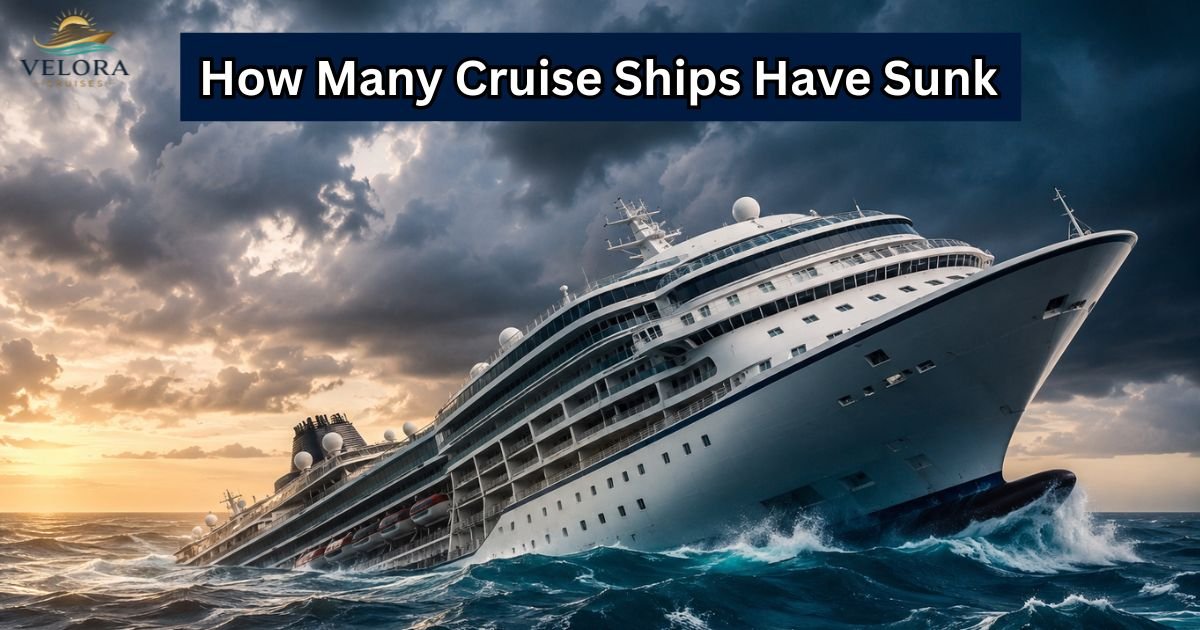
Did you know that over the decades, several cruise ships have met their fate beneath the waves? Understanding the history of maritime disasters sheds light on safety advancements and helps travelers make informed decisions. How many cruise ships have sunk? This question lingers in the minds of many eager travelers contemplating their next adventure on the high seas.
Our guide, How Many Cruise Ships Have Sunk since 1912, provides an in-depth look at the disasters, causes, death tolls, and what they teach us about modern cruise safety. Join us as we dive into the numbers, stories, and lessons learned from these unfortunate voyages.
See More: Carnival Cruise Ships by Size: From the Smallest to the Biggest 2026 Updated
How Many Cruise Ships Have Sunk?
The topic of cruise ship sinkings often evokes curiosity and concern among travelers. While it might be surprising, the number of cruise ships that have sunk throughout history is relatively small. Investigating these incidents reveals that advancements in safety protocols and technology have significantly mitigated risks. Including the Titanic and stretching the definition to cover ocean liners and river cruise ships, approximately 26 passenger vessels have sunk since 1912, most due to collisions, fires, wartime attacks, or severe weather.
Why Cruise Ship Sinkings Are So Rare
Cruise ship sinkings are astonishingly rare, primarily due to the rigorous safety protocols embedded in the industry. Before a ship ever sets sail, it undergoes extensive inspections and testing, ensuring that everything from lifeboats to navigation systems functions seamlessly. The maritime community prioritizes training, with crew members well-versed in emergency procedures, creating a culture of preparedness that enhances passenger safety.
Discover More: Best Carnival Cruise Line Ships by Age Newest to Oldest 2026 Updated
Cruise Ships Sunk Since 1912
This is the list of 26 cruise ships sunk since 1912.
- RMS Titanic 1912
- RMS Empress of Ireland 1914
- RMS Lusitania 1915
- HMHS Britannic 1916
- SS Principessa Mafalda 1927
- Saint-Philibert 1931
- SS Georges Philippar 1932
- SS Morro Castle 1934
- RMS Empress of Britain 1940
- Wilhelm Gustloff 1945
- SS Bianca C 1961
- MTS Lakonia 1963
- SS Yarmouth Castle 1965
- MV Antilles 1971
- MV Mikhail Lermontov 1986
- SS Admiral Nakhimov 1986
- MS Jupiter 1988
- MTS Oceanos 1991
- Sun Vista 1999
- MS World Discoverer 2000
- MV Explorer 2007
- MS Sea Diamond 2007
- Costa Concordia 2012
- Eastern Star 2015
- Hableány 2019
- Orient Queen 2020
Explore More: MSC Ships By Size In 2026
How Many Cruise Ships Have Sunk In Detail
Here is the complete detail about how many cruise ships have sunk:
1. RMS Titanic — 1912
The RMS Titanic is the most famous ship disaster in history. The Titanic struck an iceberg on her maiden voyage and sank in the early hours of April 15, 1912. The Titanic became the defining moment for maritime safety reform. The International Convention for the Safety of Life at Sea, known as SOLAS, was created directly in response to this tragedy.
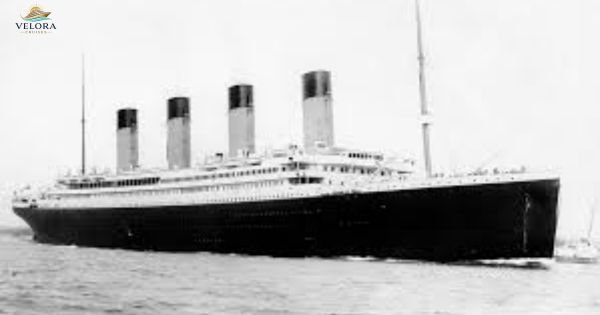
- Location: North Atlantic Ocean
- Cause: Iceberg collision
- Fatalities: 1,517
2. RMS Empress of Ireland — 1914
RMS Empress of Ireland is called “Canada’s Titanic.” It sank just two years after the Titanic. It was struck by a Norwegian collier ship called the Storstad in dense fog on the St. Lawrence River, and went down in just 14 minutes, so fast that most passengers had no chance to escape. Of the 1,477 people on board, 1,012 died.
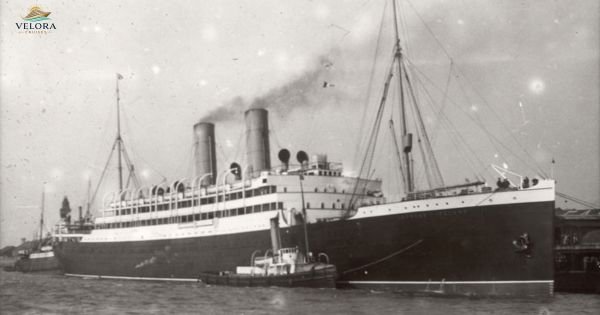
- Location: St. Lawrence River, Canada
- Cause: Collision with another vessel
- Fatalities: 1,012
3. RMS Lusitania — 1915
The Lusitania was a Cunard ocean liner. It was torpedoed by a German submarine off the coast of Ireland on May 7, 1915, during the First World War. It sank in just 18 minutes. In total, 1,198 passengers and crew were killed, with 764 survivors.
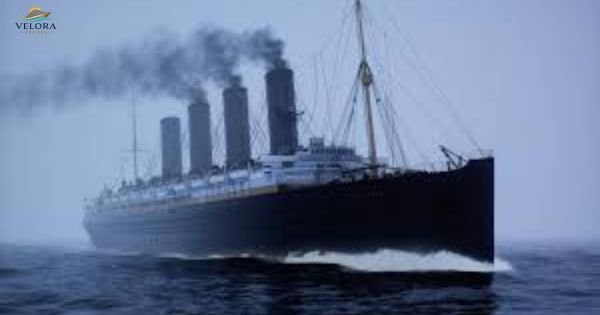
- Location: Coast of Ireland
- Cause: Hit during WW1
- Fatalities: 1198
4. HMHS Britannic — 1916
HMHS Britannic was the third of the famous Olympic-class liners. In November 1916, she struck a German naval mine near a Greek island and sank in 55 minutes. Of the 1,066 people on board, 1,036 were rescued.
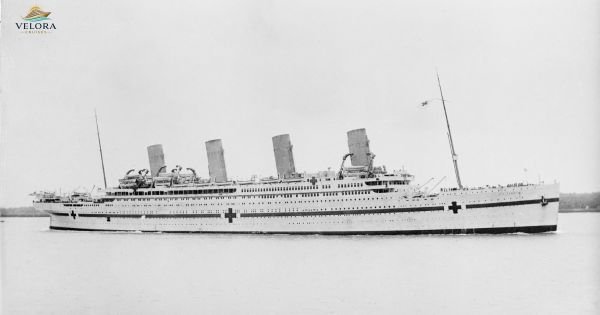
- Location: Aegean Sea
- Cause: Naval mine
- Fatalities: 30
5. SS Principessa Mafalda — 1927
SS Principessa Mafalda is an Italian passenger liner that regularly sailed between Genoa and Buenos Aires. The Principessa Mafalda met her end in 1927 when a propeller shaft broke and punched through the ship’s hull off the coast of Brazil. It sank slowly, but chaos and poor communication led to 314 deaths out of 1,252 people on board.
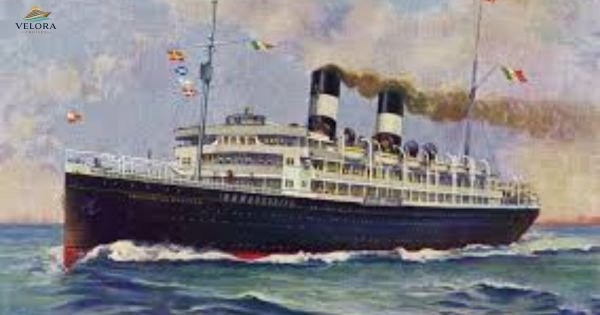
- Location: South Atlantic Ocean
- Cause: Mechanical and structural failures
- Fatalities: More than 300
See More: Best Princess Cruise Ships By Age
6. Saint-Philibert — 1931
Saint-Philibert is a small French cruise ship. It was carrying roughly twice her intended passenger capacity. When a sudden storm hit, passengers crowded to one side of the ship to watch the waves, and the total weight, along with a massive wave, capsized the vessel almost instantly.
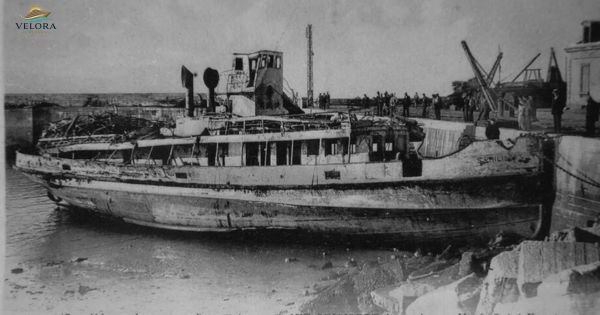
- Location: Loire Coast
- Cause: Overcrowding and severe weather
- Fatalities: 500
7. SS Georges Philippar — 1932
SS Georges Philippar is a French ocean liner that caught fire on her maiden return voyage in 1932 due to faulty high-voltage electrical wiring. A malfunctioning light switch in a luxury cabin ignited wooden wall panels, and the fire spread quickly.
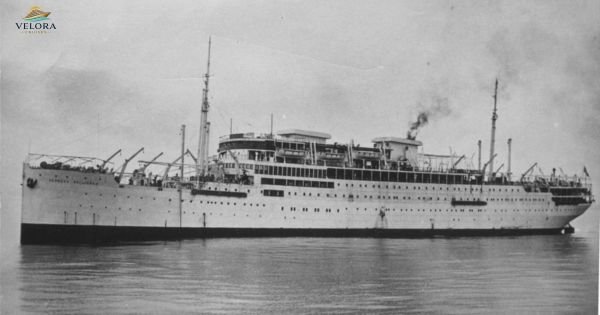
- Location: Arabian Sea
- Cause: Massive onboard fire
- Fatalities: 54
8. SS Morro Castle — 1934
SS Morro Castle is an American ocean liner running regular sailings between New York and Havana, Cuba. In September 1934, a fire broke out in a storage locker. The fire burned through the cables controlling both steering and communications.
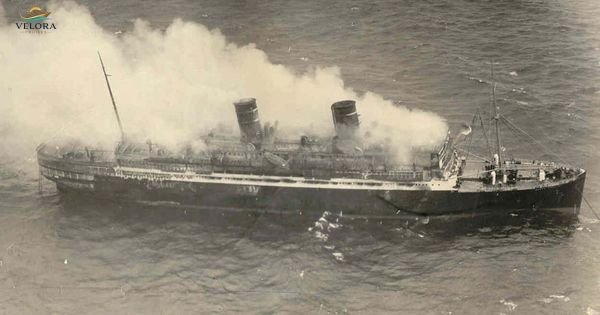
- Location: Off New Jersey, USA
- Cause: Fire
- Fatalities: 137
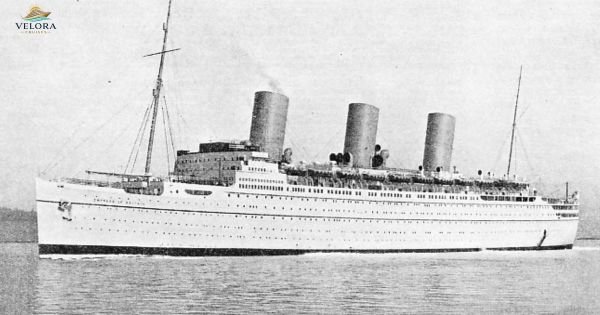
9. RMS Empress of Britain — 1940
When World War Two broke out, RMS Empress of Britain was requisitioned as a troopship. On October 26, 1940, a German long-range bomber attacked her northwest of Ireland, starting catastrophic fires on board. Most passengers and crew were evacuated. Two days later, on October 28, while the burning hulk was being towed toward port, a German U-boat fired two torpedoes and finished her off.
- Location: North Atlantic Ocean
- Cause: Wartime attack
- Fatalities: 45
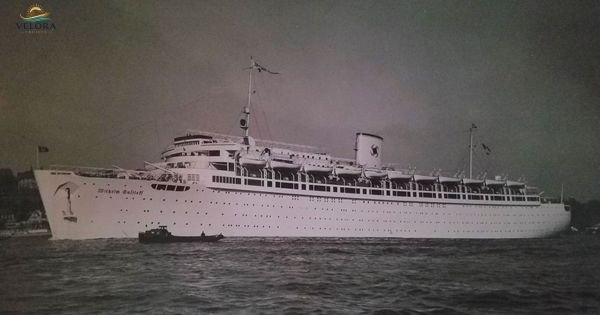
10. Wilhelm Gustloff —-1945
Wilhelm Gustloff was originally constructed in 1936 under the orders of Adolf Hitler to serve recreational cruising for the German Labour Front. During World War 2, in late January 1945, the German Navy deployed the Wilhelm Gustloff to evacuate German military and civilian refugees from the eastern provinces of Germany across the Baltic Sea. There were more than 10,000 people aboard the ship when it was spotted by a Soviet submarine on January 30. At 9:16 pm, the Gustloff was hit by three torpedoes and proceeded to sink over the course of one hour.
- Location: Across the Baltic Sea
- Cause: Wartime Attack
- Fatalities: 9343
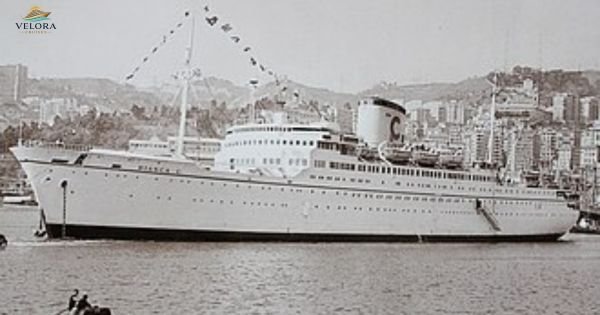
11. SS Bianca C — 1961
SS Bianca C is known as the “Titanic of the Caribbean.” The Bianca C was an Italian luxury liner that caught fire in Grenada harbor in 1961. A boiler explosion triggered the blaze, and the ship burned for two days before sinking. Remarkably, Grenadian fishermen raced out in small boats to help evacuate passengers and crew.
- Location: Caribbean Sea
- Cause: Explosion and fire
- Fatalities: Around 2 dozen
Explore More: Majestic Princess Cabins To Avoid
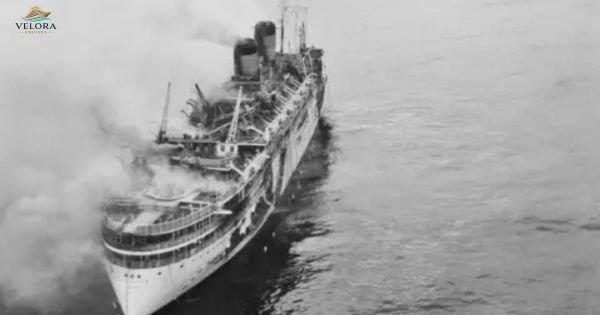
12. MTS Lakonia — 1963
MTS Lakonia is a Greek ocean liner that caught fire in the Atlantic Ocean during a Christmas cruise in 1963. The fire started in the hairdressing salon and quickly spread. The ship’s crew was accused of abandoning passengers to save themselves, and the evacuation was poorly managed.
- Location: Near Madeira
- Cause: Electrical fire
- Fatalities: 128
13. SS Yarmouth Castle — 1965
SS Yarmouth Castle, an aging American cruise ship carrying too many passengers when a fire broke out in a storage room being used to store mattresses. The room should have been empty. The fire spread rapidly due to the ship’s old construction and lack of proper fire suppression systems
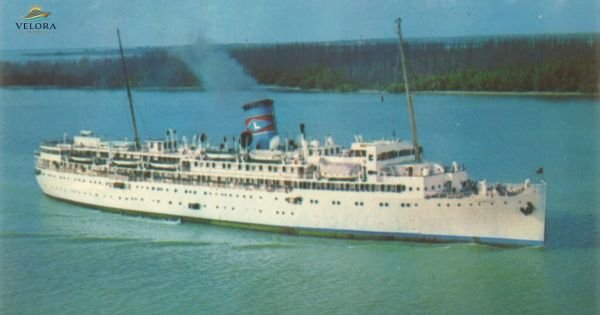
- Location: Atlantic Ocean between Miami and Nassau
- Cause: Fire in a storage room
- Fatalities: 90
14. MV Antilles — 1971
MV Antilles is a French ocean liner that ran aground on a reef near the island of Mustique in the Caribbean while on a cruise. The grounding caused a fuel leak, which ignited, and the resulting fire consumed the entire ship. All 635 people on board were evacuated before the ship sank.
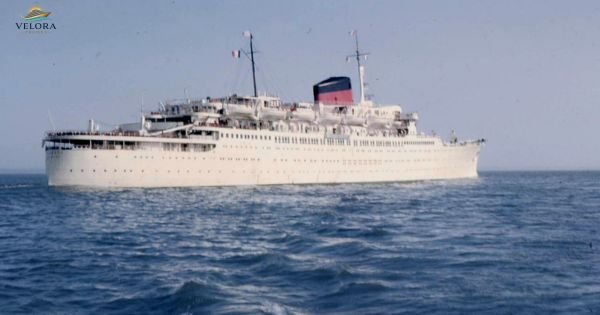
- Location: Near the island of Mustique
- Cause: Fire due to Fuel leak
- Fatalities: None
15. MV Mikhail Lermontov — 1986
MV Mikhail Lermontov, a Soviet ocean liner that struck rocks near Port Gore in New Zealand’s Marlborough Sounds while on a round-the-world cruise. A New Zealand harbor pilot was at the helm at the time. The ship took several hours to sink, allowing most people on board to be evacuated.
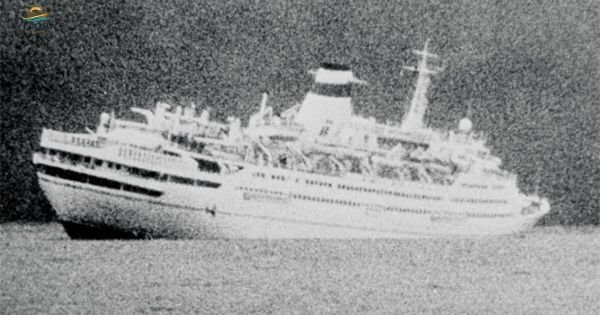
- Location: New Zealand
- Cause: Collision with rocks
- Fatalities: 1
16. SS Admiral Nakhimov — 1986
SS Admiral Nakhimov was originally launched in 1925 as the German passenger liner SS Berlin. On the night of August 31, 1986, just minutes after departing Novorossiysk for Sochi, the ship was struck by a Soviet bulk carrier called the Pyotr Vasev in Tsemes Bay. The Admiral Nakhimov sank in just seven to ten minutes.
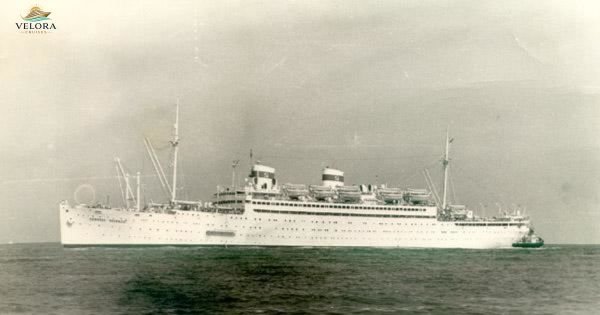
- Location: Near Novorossiysk
- Cause: Collision
- Fatalities: 423
17. MS Jupiter — 1988
MS Jupiter is a Greek cruise ship that collided with an Italian freighter near the port of Piraeus in 1988 while carrying British school children on an educational Mediterranean cruise. Jupiter sank in 45 minutes.
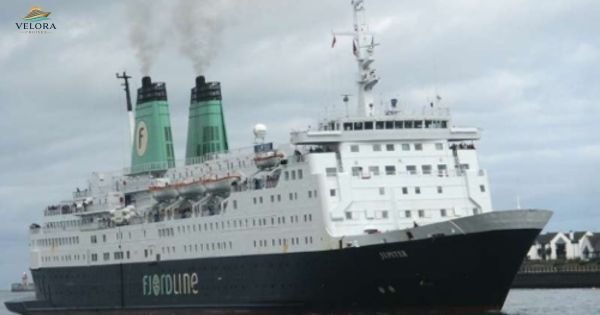
- Location: Port of Piraeus
- Cause: Collision
- Fatalities: 4 Students and 1 Teacher
Discover More: Carnival Legend Cabins to Avoid
18. MTS Oceanos — 1991
The Oceanos was a Greek cruise ship that sank off the coast of South Africa in 1991 during a severe storm after water flooded into the engine room through an open pipe. All 581 people on board were rescued. The captain was later found guilty of negligence.
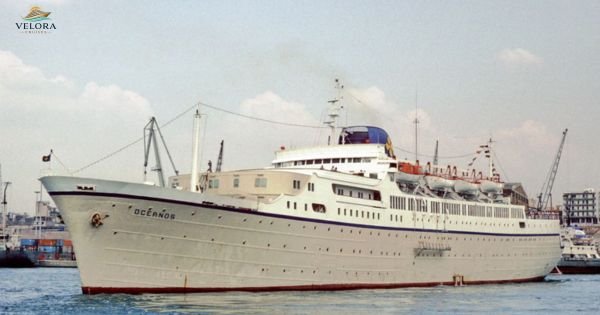
- Location: South African coast
- Cause: Flooding
- Fatalities: None
19. Sun Vista — 1999
On May 20, 1999, while sailing from Phuket toward Singapore, a fire broke out in the main engine room switchboard. The fire cut all electrical power, leaving the ship dark and adrift in the Strait of Malacca. Despite a delay of more than three hours before a distress call was transmitted, all 1,090 passengers and crew were successfully evacuated into lifeboats. The Sun Vista sank the next morning at around 1 am.
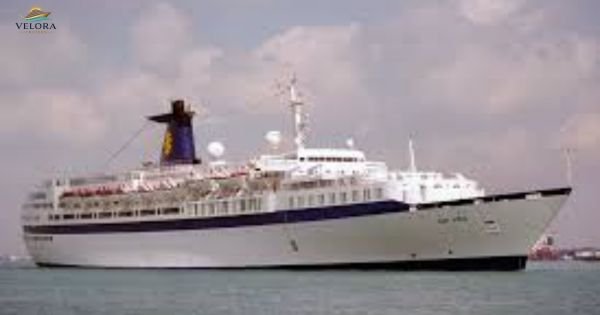
- Location: Strait of Malacca
- Cause: Engine-room fire
- Fatalities: None
20. MS World Discoverer — 2000
MS World Discoverer is a small expedition cruise ship that struck an uncharted reef in the Solomon Islands in 2000. All passengers and crew were evacuated safely, and the ship was beached to prevent it from sinking in deep water.
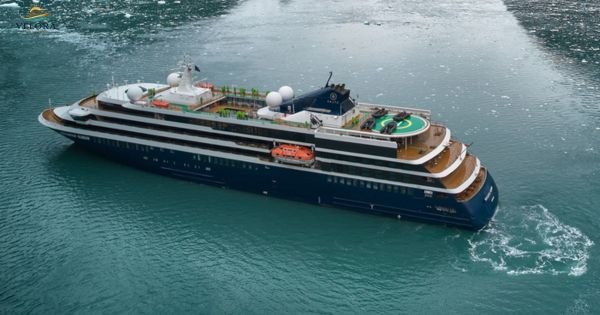
- Location: Solomon Islands
- Cause: Collision
- Fatalities: None
21. MV Explorer — 2007
The MV Explorer, nicknamed “The Little Red Ship,” was a small expedition cruise ship that struck ice in the Drake Passage near Antarctica in November 2007. It sank approximately four hours after the collision. All 154 people on board, 91 passengers and 63 crew, were rescued by a Norwegian cruise ship that responded to the distress call.
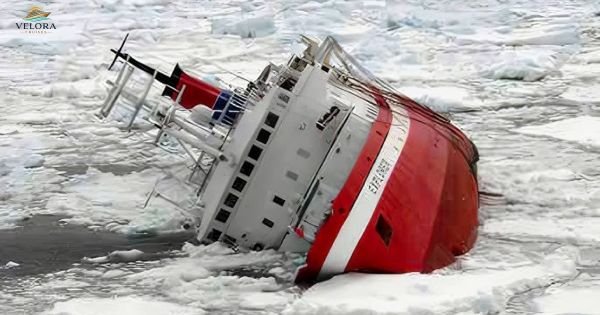
- Location: Antarctica
- Cause: Ice damage
- Fatalities: None
See More: Top 22 Carnival Cruise Cabins to Avoid in 2026
22. MS Sea Diamond — 2007
MS Sea Diamond sank in one of the most visually stunning and unlikely locations of the ancient volcanic caldera of Santorini, Greece. On April 5, 2007, the Sea Diamond struck a well-charted volcanic reef near the island of Nea Kameni in calm, clear conditions. The ship began taking on water and listing dangerously. The 1,195 passengers and 391 crew were evacuated over several hours, with some passengers climbing down rope ladders from upper decks and others exiting through the old car deck ramp. The ship sank the next morning, settling over 90 meters deep in the caldera.
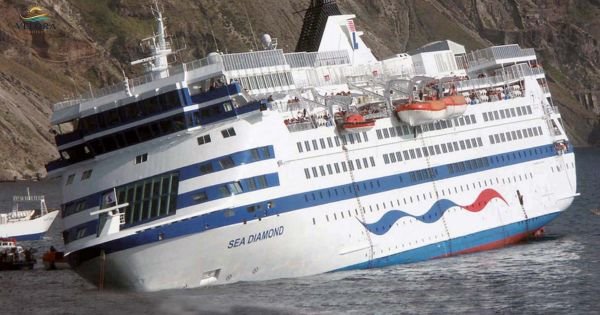
- Location: Santorini, Greece
- Cause: Reef collision
- Fatalities: 2
23. Costa Concordia — 2012
Costa Concordia is the only large modern ocean cruise ship to sink while carrying passengers on a proper cruise. The Concordia, a large Costa Cruises vessel carrying 4,229 passengers and crew, struck an underwater rock formation off the island of Giglio, Italy, in January 2012. The captain, Francesco Schettino, left the ship while passengers were still on board — an act that became infamous around the world.
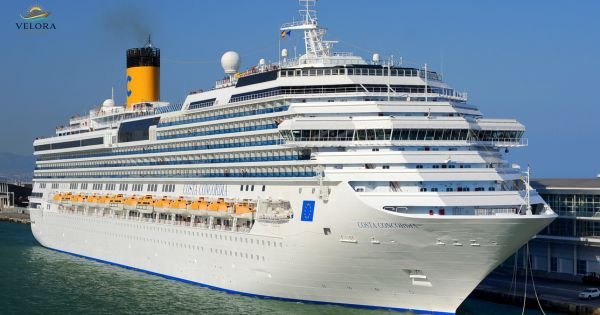
- Location: Italy
- Cause: Human error and reef collision
- Fatalities: 32
24. Eastern Star — 2015
Eastern Star is a Chinese river cruise ship that capsized on the Yangtze River in June 2015 during a sudden and violent storm. According to survivors, the ship rolled over in less than two minutes. It was the deadliest inland water disaster in China in decades. The Eastern Star is the last cruise ship to sink with passengers actively on board during a voyage.
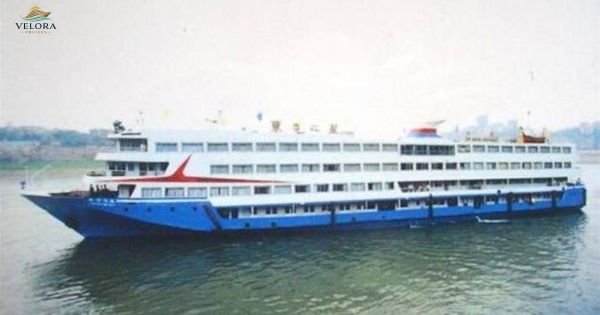
- Location: Yangtze River, China
- Cause: Severe weather
- Fatalities: 442
25. Hableány — 2019
Hableány is a small river cruise ship that collided with a large river cruise vessel on the Danube River in Budapest, Hungary, in May 2019. The Hableány capsized and sank immediately after the collision. Seven of the 35 South Korean tourists on board survived.
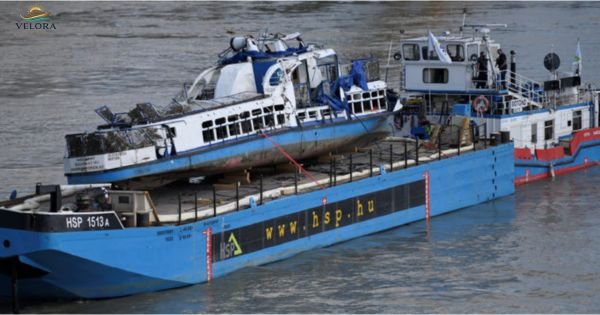
- Location: Danube River, Budapest, Hungary
- Cause: Collision
- Fatalities: 28
26. Orient Queen — 2020
Orient Queen is the most recent cruise ship that sank. The Orient Queen was docked in the port of Beirut, Lebanon, where a massive explosion of improperly stored ammonium nitrate tore through the port on August 4, 2020. That explosion is one of the largest non-nuclear blasts in history, which killed over 200 people across the city due to the impact. The Orient Queen was damaged by the blast and sank later that day.
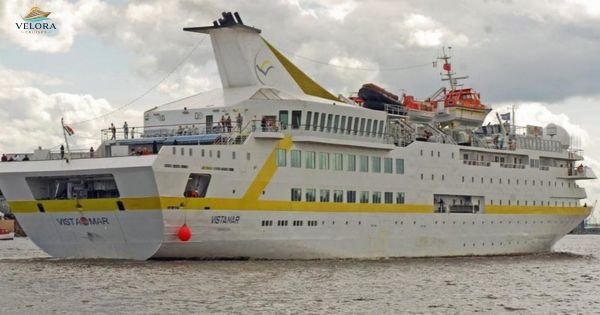
- Location: Beirut, Lebanon
- Cause: Port explosion
- Fatalities: 2 Crew and 200 deaths across the city
Read More: NCL Ships By Size
What Causes Cruise Ships to Sink?
Cruise ships, floating cities of leisure, are often perceived as impenetrable bastions of safety. However, the surprising truth is that several factors can lead to their sinking. Cruise ships sink rarely, but historical accidents reveal some common causes:
- Human Error: Mistakes by captains, officers, or crew members.
- Collisions: Ships may collide with icebergs, reefs, underwater obstacles, or other vessels.
- Fire: Onboard fires were among the most dangerous threats to passenger ships before modern fire suppression systems.
- Severe Weather: Modern ships can handle extreme conditions, but unusually severe storms can still create dangerous situations.
- Structural Failures: Mechanical or structural problems have occasionally contributed to maritime disasters.
- Wartime Events: Several ships included in historical sinking records were lost due to military actions during wartime.
How Cruise Ship Safety Has Improved
In recent years, cruise ship safety has seen remarkable advancements, transforming the way we think about maritime travel. Innovations in technology have been at the forefront, with ships now equipped with sophisticated navigation systems and enhanced communication tools. These improvements streamline operations and ensure that crew members can respond swiftly to any emergencies that arise on board. Several major steps have been taken for passenger safety over the past century:
- Enhanced Ship Design: Nowadays, vessels are designed to remain stable even if multiple compartments are damaged.
- Better Navigation Technology: Radar, GPS, sonar, satellite communications, and electronic chart systems provide situational awareness.
- Mandatory Safety Drills: Passengers must participate in safety briefings before departure.
- Real-Time Weather Tracking: Cruise ships can adjust routes to avoid dangerous weather systems.
- International Regulations: Organizations such as the International Maritime Organization establish global safety standards that cruise operators must follow.
Cruise Ship Sinkings vs Other Travel Risks
When it comes to Cruise Ship Sinkings vs Other Travel Risks, many travelers often overlook the safety measures in place on modern vessels. Statistically, cruise ships have a remarkable safety record, with advanced technology and rigorous regulations helping to ensure passenger security. In fact, statistics show that driving remains one of the most perilous activities, yet it rarely evokes the same level of fear as a shipwreck. Each year:
- Millions of passengers take cruises worldwide.
- Thousands of cruise departures occur without incident.
- Major sinkings are exceptionally rare.
- Safety standards continue to improve.
Media coverage often focuses on major maritime events; these incidents only represent a small fraction of total cruise operations.
See More: Carnival Elation Rooms To Avoid
Sources and Research Methodology
This article was researched using maritime accident records, historical archives, cruise industry reports, passenger vessel databases, and investigations conducted by maritime authorities. Because definitions vary, some lists include ocean liners, river cruise ships, and passenger vessels commonly associated with cruise travel.
Conclusion: How many cruise ships have sunk?
The history of cruise ship sinkings serves as a reminder of the unpredictable nature of the sea. While the vast majority of cruises operate safely, knowing what has happened in the past can enhance our appreciation for maritime safety measures. Each incident offers lessons that have led to improved technology and better training for crew members. As travelers, we must remain informed while also enjoying the incredible experiences that cruising offers. Stay curious, and consider learning more about both the adventures and challenges of life at sea.
FAQs: How many cruise ships have sunk?
How many cruise ships have sunk?
Historically, around 26 cruise ships have sunk since the mid-19th century, though the number varies based on definitions and criteria.
What are some well-known cruise ship disasters?
Notable disasters include the RMS Titanic in 1912, the Costa Concordia in 2012, and the RMS Lusitania in 1915, each with its own tragic story.
Are modern cruise ships safer than older ones?
Yes, advancements in technology, safety protocols, and regulations have made modern cruise ships significantly safer compared to their predecessors.
What usually causes a cruise ship to sink?
Common causes include collisions, grounding, fires, and severe weather. Mechanical failures and design flaws have also played a role in some incidents.
How can passengers stay safe on a cruise?
Passengers should familiarize themselves with safety procedures, attend emergency drills, and stay vigilant, especially in adverse weather conditions.
Is it worth taking a cruise despite the risks?
Yes! Most cruises are safe and enjoyable experiences. Awareness and preparation can help mitigate concerns about potential risks.